Diabetes Food List for Beginners: Eat More, Limit & Avoid
Every everyday food, sorted into three simple columns — so you always know what belongs on your plate, what needs a smaller portion, and what to leave on the shelf.
By the FreshListStudio Team · 8 min read · Informational guide — not medical advice
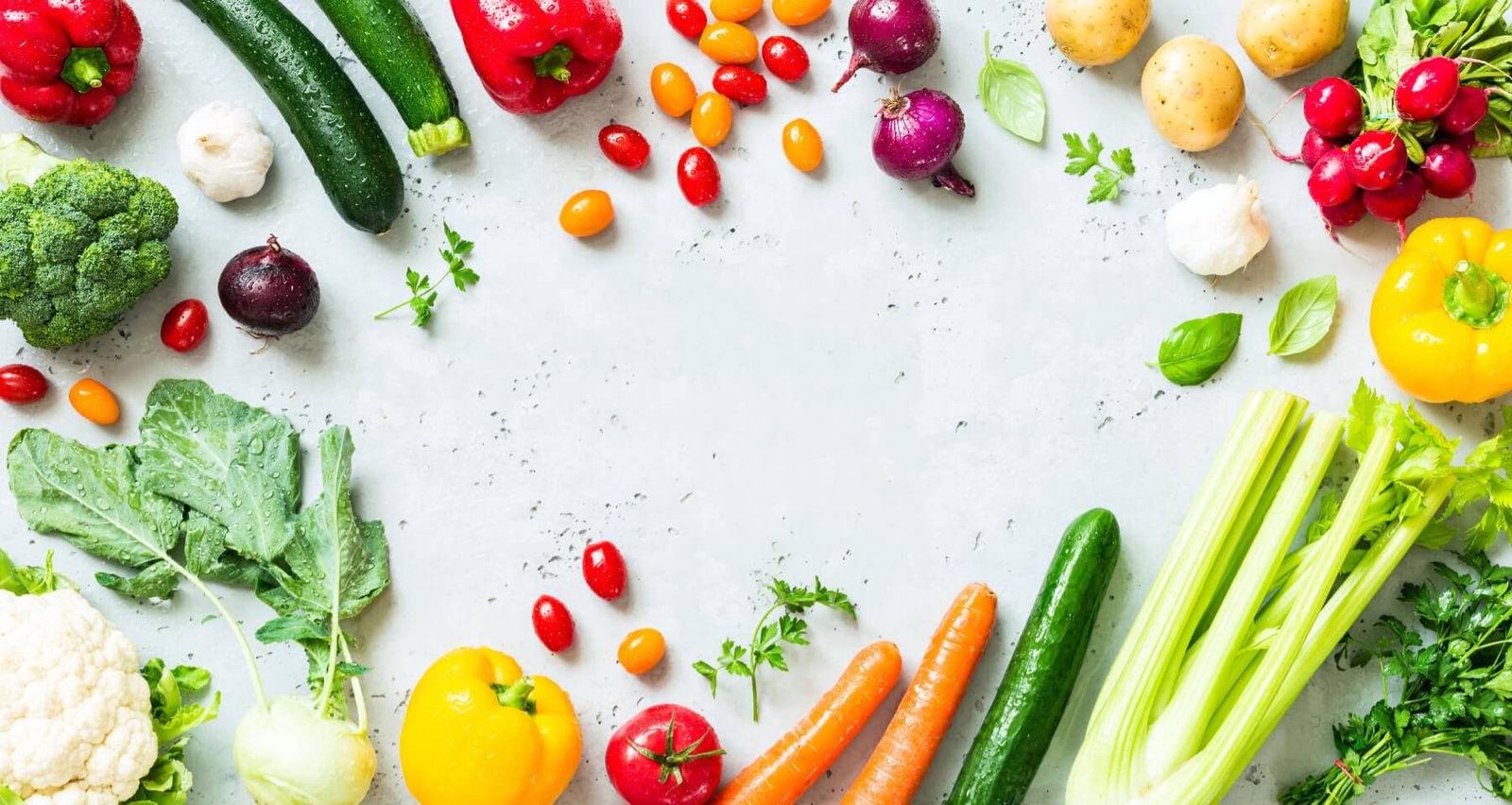
Fresh vegetables — bell peppers, broccoli, zucchini, tomatoes, carrots and leafy greens arranged on a table. Non-starchy vegetables are the base of every diabetes-friendly plate — fill half of it with these.
About This List
If you were recently diagnosed — or told your blood sugar is creeping up — the first question is always: “So what can I actually eat?” This list answers it in three columns.
- Who it is for: beginners with type 2 diabetes or pre-diabetes
- How it works: Eat More = build meals from these · Limit = small portions · Avoid = rare treats
- Printable version: one-page fridge chart, A4 + US Letter, on Etsy
Nobody eats perfectly, and you do not have to. Think of the three columns as traffic lights for your plate.
The Food List: Eat More, Limit, Avoid
✓ EAT MORE
Non-starchy vegetables
- Spinach & leafy greens
- Broccoli & cauliflower
- Green beans & zucchini
- Bell peppers & cucumbers
Lean proteins
- Chicken & turkey breast
- Eggs
- Salmon & oily fish
- Tofu & plain Greek yogurt
Beans, lentils & fibre
- Lentils & chickpeas
- Black beans & kidney beans
Healthy fats
- Avocado & olive oil
- Almonds & walnuts
- Chia & flax seeds
Lower-sugar fruits
- Berries
- Apples & pears
- Citrus fruit
– LIMIT
Grains & starches
- White rice & pasta
- White bread
- Potatoes
- Small portions — pair with vegetables & protein
Dairy
- Flavoured yogurt
- Sweetened milk drinks
Higher-sugar fruits
- Mango & grapes
- Banana
- Dried fruit
- Small portions, with a meal
Sauces & spreads
- Ketchup & BBQ sauce
- Sweet salad dressings
- Check the label for added sugar
✕ AVOID / MINIMIZE
Sugary drinks
- Soda & sweet tea
- Fruit juice
- Energy drinks
Sweets & desserts
- Candy & chocolate bars
- Cakes & cookies
- Ice cream
Refined snacks
- Chips & crackers
- White-flour pastries
- Sweetened cereals
- Sugary granola bars
Why these? They raise blood sugar fast and leave you hungry again within the hour.
The Plate Method: The List on One Plate
You do not need to weigh food or count every carb to use this list. Build each meal like this:
- ½ of the plate — non-starchy vegetables from the Eat More column
- ¼ of the plate — lean protein: chicken, fish, eggs, tofu or beans
- ¼ of the plate — whole grains or starchy vegetables, in a Limit-sized portion
- On the side — water or an unsweetened drink, always
That is the whole system. The chart below puts it on one page for your fridge, so the decision is made before you cook.
Love this list? Put it on your fridge.
The complete Diabetic Food Chart — the full list, the plate method and 5 quick tips on one printable page.
Get the Printable Chart on Etsy
Or start free — the checklist below.
Meal-Prep Tip: Cook the Green Column in Batches
On Sunday, grill a tray of chicken, cook a pot of lentils and wash your greens. All week, your meals start from food that is already ready.
5 Quick Tips for Better Control
- Use the plate method. Half vegetables, quarter protein, quarter grains. No counting, no apps.
- Walk after meals. A gentle 10–15 minute walk after eating helps smooth out the rise.
- Read the label. “Added sugars” hides in sauces, cereals and “healthy” bars. Check before you buy.
- Protein at breakfast. Eggs or Greek yogurt in the morning keeps you full and steady until lunch.
- Water first. Thirst often feels like hunger. Drink a glass of water before reaching for a snack.
Questions Beginners Ask
1. Can I still eat rice and bread with diabetes?
Yes — they sit in the Limit column, not the Avoid column. Keep the portion to about a quarter of your plate, and pair it with vegetables and protein.
2. Which fruits are the safest choice?
Berries, apples, pears and citrus are the everyday picks — they bring fibre along with their sweetness.
3. Do I have to give up everything in the Avoid column forever?
No. “Avoid / minimize” means rare and small, not banned for life. The goal is a pattern you can actually keep.
4. How do I use the printable chart?
Print it (A4 or US Letter), stick it on the fridge, and check it before cooking and before shopping.
5. Is this list a substitute for my doctor’s advice?
No. This is a general educational guide, not medical advice. Your medication, targets and needs are personal — follow your own care team.
Free: the Diabetes Grocery Checklist
The shopping companion to this list — every Eat More food, organised store by store, on one printable page. To request your free checklist, email freshstudiolive@gmail.com with the subject “Diabetes Grocery Checklist”. One helpful email a week. No spam, unsubscribe anytime.
Disclaimer: This article is for general information and education only and is not medical advice. It does not replace professional medical advice, diagnosis or treatment. Always seek the advice of your doctor or another qualified health professional with any questions about a medical condition.